

"Smart Collaboration: Navigating the Era of AI and Human Intelligence"
- hubertantlin
- Apr 21, 2023
- 5 min read

Updated: Dec 22, 2023
It is time for humans to become smart and adapt to the rapidly advancing technology and AI era. The reason for this is that the world is changing at an unprecedented pace, and those who fail to keep up risk being left behind.
To remain relevant and competitive in the job market, individuals must continually learn new skills and adapt to new technologies. This requires a mindset of lifelong learning, and a willingness to embrace change and take risks.
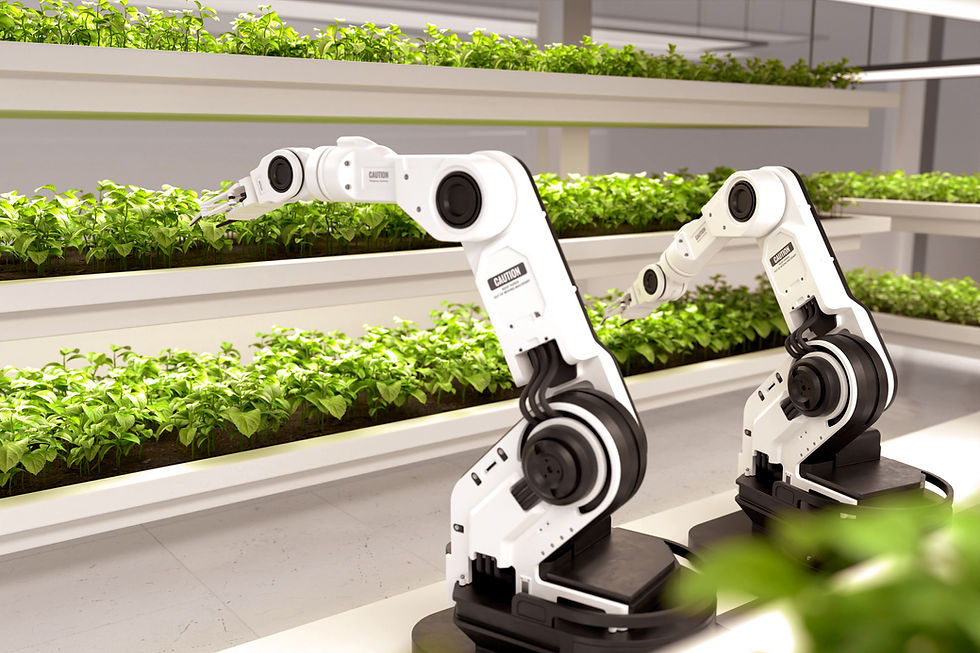
Furthermore, as AI and automation continue to replace many routine and manual jobs, there is a growing need for individuals to develop higher-level skills that cannot be easily replicated by machines. This includes skills such as creativity, critical thinking, problem-solving, and emotional intelligence, which are essential for success in the modern economy.
In addition, as the world becomes increasingly interconnected and globalized, it is important for individuals to develop cultural intelligence and cross-cultural communication skills. This enables them to work effectively with people from diverse backgrounds and navigate the complexities of the global marketplace.
While humans may never be able to surpass the intelligence of AI, that does not mean that our own intelligence is irrelevant. Instead, it is important to recognize that AI and human intelligence are complementary and that we need both to continue advancing as a species.
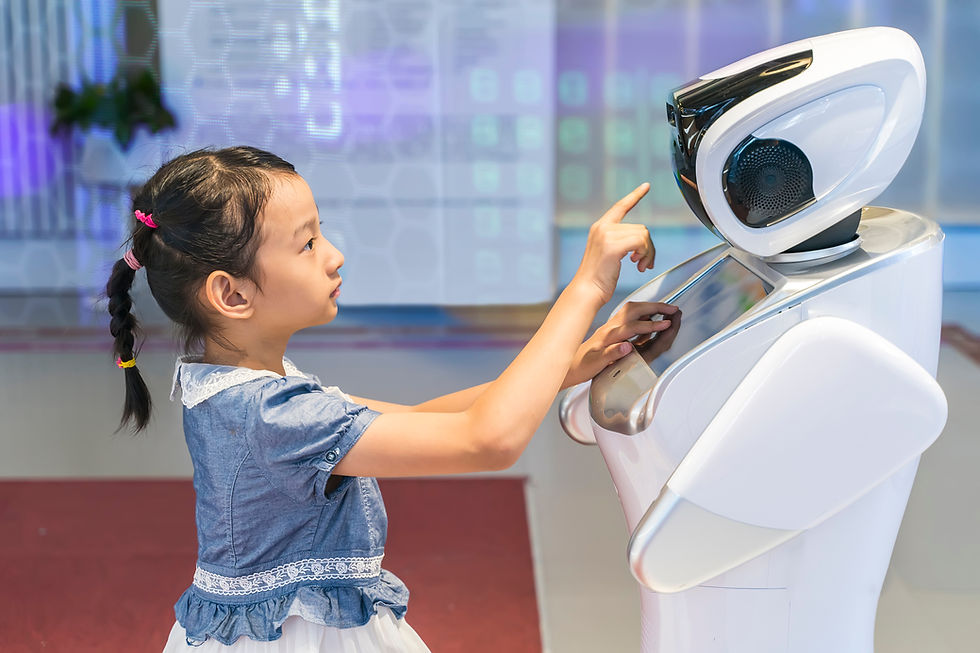
Human intelligence has unique strengths, such as creativity, empathy, and critical thinking, which are difficult for AI to replicate. These qualities are essential for tasks such as innovation, problem-solving, and decision-making, which are important for our future advancement.
At the same time, AI has its own strengths, such as data processing and analysis, which can augment human intelligence and enhance our ability to make informed decisions.
Therefore, rather than trying to compete with AI, humans should focus on finding ways to collaborate with it, leveraging its strengths to enhance our own. This requires us to develop a deep understanding of AI and its capabilities, as well as the ethical implications of its use.
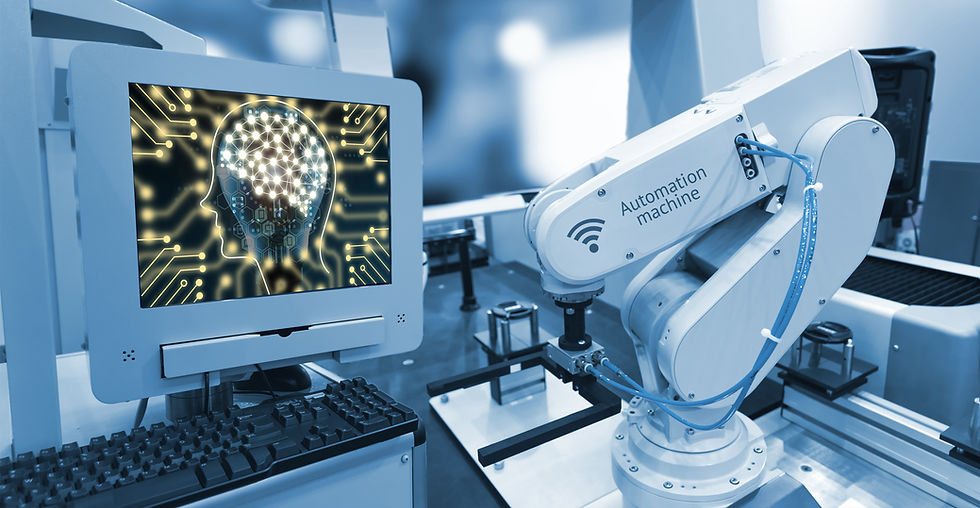
I believe that the rapid advancement of AI has brought about a new era of technological progress and innovation, with the potential to solve some of the world's biggest problems. However, at the same time, it is important to recognize the ethical implications and potential risks associated with this technology.
One of the biggest challenges we face today is the ability of AI to deceive and manipulate individuals, as well as to perpetuate existing biases and inequalities. While AI can generate convincing content, it is essential to ensure that the algorithms used to create and disseminate that content are transparent and accountable, and that they do not perpetuate harm or discrimination.
Furthermore, it is important to recognize that AI is not a neutral tool but is shaped by human biases and values. As such, it is crucial to develop and implement diverse and inclusive teams that can create and oversee AI systems that serve the greater good.
In recent years, the world has seen a rapid advancement in the field of artificial intelligence (AI), with AI-powered applications permeating almost every aspect of our lives. While AI has brought numerous benefits, there are also concerns about its potential negative effects, particularly in the realm of deception.
One example of this is the rise of fake AI-generated human models on Social media. These models look just like real people, but are actually computer-generated. They are used by companies to promote products and services, and have gained a significant following on social media platforms. While there may not be anything inherently wrong with using AI-generated models for marketing purposes, it becomes problematic when they are used to deceive consumers. Consumers may be led to believe that they are interacting with real people, when in fact they are not.




Another example is text-based AI, which is becoming increasingly sophisticated in its ability to generate convincing information. This type of AI can be used to spread fake news and propaganda, and can even be used to impersonate real people, such as politicians and celebrities, in order to manipulate public opinion. This poses a serious threat to our democratic institutions and the integrity of our public discourse.
So, how much does the world need to be smart and intelligent during this AI advancing era? The answer is, very much so. As AI becomes more advanced, it is increasingly difficult to distinguish between what is real and what is fake. It is therefore important for individuals to develop critical thinking skills and to be able to discern the difference between genuine information and propaganda.

In addition, it is essential that companies and governments are held accountable for their use of AI. Regulations must be put in place to ensure that AI is not used to deceive or manipulate people, and that it is used ethically and responsibly.

Finally, it is important to remember that AI is not inherently good or bad. It is simply a tool that can be used for either purpose. It is up to us as individuals and as a society to ensure that AI is used for the greater good, and that it does not become a source of deception or harm.
Developing critical thinking skills is essential to avoid being deceived by AI-generated content. Here are a few strategies that humans can use to develop their critical thinking abilities:
Fact-checking: Always verify the source and accuracy of any information you come across online. Use reliable sources to cross-check information, and look out for any inconsistencies or biases.
Identifying bias: Learn to recognize your own biases and those of others. Be aware of the potential for manipulation through language, imagery, and other subtle cues.
Questioning assumptions: Avoid making assumptions based on limited information or preconceived notions. Question everything, and be willing to change your mind in the face of new evidence.
Seeking multiple perspectives: Be open to hearing different viewpoints and opinions, and seek out a range of sources and voices to gain a more comprehensive understanding of a topic.
Engaging in dialogue: Engage in constructive dialogue with others, and be willing to listen to and learn from opposing viewpoints.
By developing these critical thinking skills, individuals can better navigate the complexities of the AI-advancing era, and avoid being deceived by AI-generated content. Ultimately, it is up to all of us to remain vigilant and responsible in our use of AI, in order to ensure that it is used for the greater good.
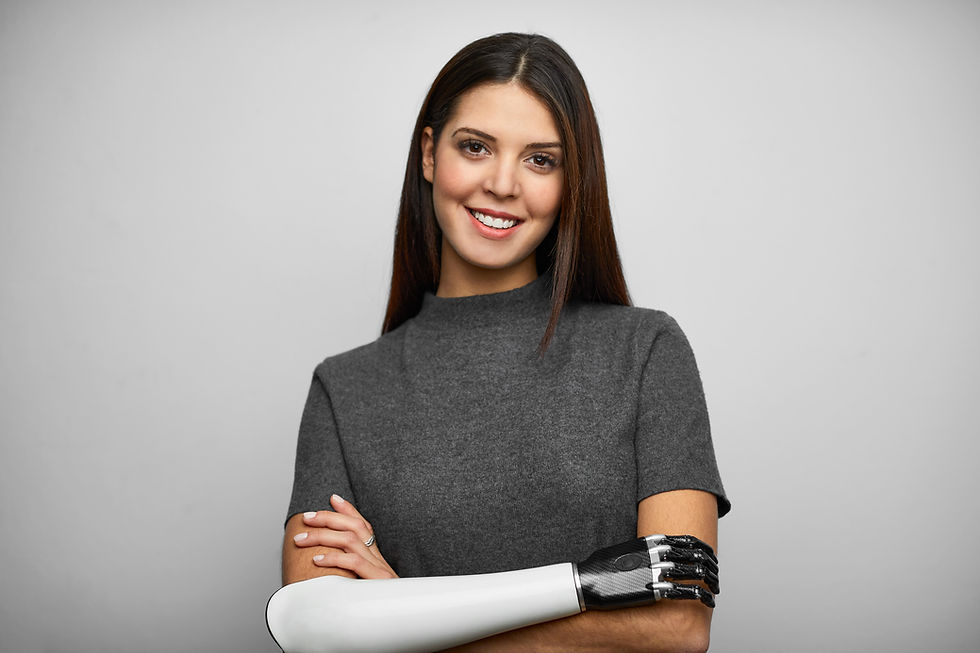
In summary, In this blog, we discussed the challenges and opportunities presented by the rapidly advancing era of AI. While AI has the potential to solve many of the world's biggest problems, it also presents ethical and practical challenges, including the ability to deceive and manipulate individuals. To navigate these challenges, it is essential for individuals to develop critical thinking skills and cultural intelligence, and to embrace a mindset of lifelong learning. Furthermore, humans should recognize that AI and human intelligence are complementary and that we need both to continue advancing as a species. By working collaboratively with AI and leveraging its strengths, we can create a better future for ourselves and for generations to come. However, this requires us to remain vigilant and responsible in our use of AI and to ensure that it is used ethically and for the greater good. Ultimately, the key to success in the AI-advancing era is a combination of human ingenuity, adaptability, and innovation, supported by the strengths of AI.
Dr.Antlin.J.Hubert


